 The Juice Club
 Live Group Supported Cleanses
 Vanessa's Paperback Books


Cantaloupe and Honeydew Melons
Juicing Melons provide antioxidant, anti-cancer, and anticoagulant benefits
Health Benefits
Adenosine, the anticoagulant chemical in melons, has a blood thinning effect that lessens the risk of heart attacks and strokes. They are all a good souce of vitamin A and contain vitamin C and calcium. They also help reduce the risk of cancer.
For Juicing
The juice is refreshing and aromatic, but should be drunk on its own. The juice goes through the digestive system quicker then any other fruit would and restricts the absorption of nutrients from other juices.
Choose ripe melons for juicing. Peel, cut into chunks and juice with the seeds. You can juice the rind if you want to (just make sure your juicer can accept it without damage-read the manual).
Juice yield
2 cups of chunks yields about 2/3 cup (150 mL).
Nutritional Benefits of Melons
Vitamins and Minerals
Rich in beta carotene, folic acid, C, small amounts of B1, B2, B3, B5, B6, E.
Rich in calcium, chlorine, magnesium, phosphorus, potassium, sodium, sulphur, small amounts of copper, iron and zinc.
Juicing other fruits...
Grapes
Apples Cranberries Cherries Watermelon Citrus Fruits Berries
Fruit juicing
About fruit juicing
Fruit juice recipes
Vegetable juicing
About vegetable juicing
Vegetable juice recipes
Return from Melons to Juicing Guide

YOUR JUICER-IN-CHIEF
|
Hi Juice Lover! I'm Vanessa, the Juicing Mixologist. I'll be guiding you to radical wellness and hotness you can chug. Learn more |
 |
ULTRA POPULAR POSTS
My favorite must-have wellness gadgets
Why the Vitamix is the best blender
Find top juicers that fit your style
How to make green drinks that taste good
The difference between juicing and blending
The need to know steps on how to start juicing
|
Took my BP today. It was lower than its ever been. It's that juicing! Love it! I also don't feel like I need my daily coffee pick me up! Feeling great. Nancy, Las Vegas |
|
This is the best site ever. Seth, Vancouver, Canada |
|
I've recently lost 10 pounds by using the weekend weight loss plan. Jan G, New Mexico |
|
I have no questions. Jeff, California |
|
ALL of the recipes have been winners. We honestly look forward to each days new concoction. Thanks! Sue, Denver |
|
I enjoy your emails; Alex, Chicago |

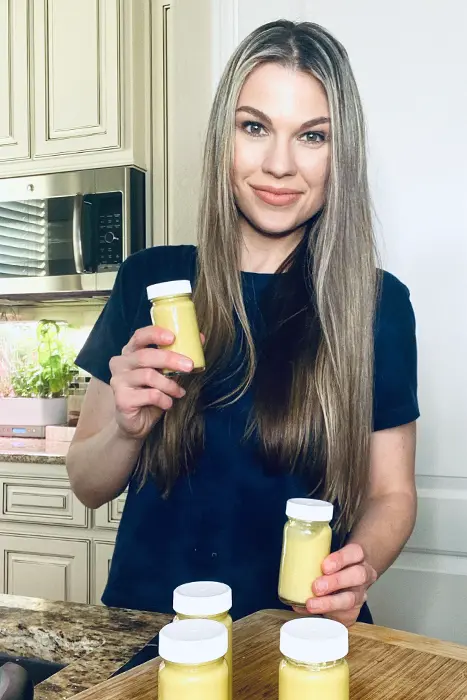     |
Hello, Sunshine. Welcome to my juicy kingdom!I'm Vanessa, The Juicing Mixologist® -- health author, juicing trendsetter and the founder of All About Juicing, your ultimate bible for juicing your best. I don't just serve up advice and recipes; I test it all. So you can confidently gulp up everything here for the hottest, healthiest body you've ever had. Read more |
Hello, Sunshine. Welcome to my juicy kingdom!
I'm Vanessa, The Juicing Mixologist® -- health author, juicing trendsetter and the founder of All About Juicing, your ultimate bible for juicing your best. I don't just serve up advice and recipes; I test it all.
So you can confidently gulp up everything here for the hottest, healthiest body you've ever had. Read more


Lovin' this juicy info? Leave a comment in the box below